Transitions—whether moving between tasks, leaving a familiar room, or shifting from school to home—can feel like stepping onto a crowded subway platform during rush hour. For many, the sudden change in stimuli can trigger sensory overload, a flood of sights, sounds, smells, and textures that overwhelms the nervous system. This article will walk you through why transitions spark overload, how to spot the warning signs, and a toolbox of strategies to https://travisictf509.huicopper.com/how-to-find-a-reputable-autism-referral-guide-for-toddlers-a-parent-s-playbook keep your senses in check when life asks you to change lanes.
Understanding Sensory Overload
Sensory overload happens when the brain receives more input than it can process comfortably. Think of the brain as a well‑balanced orchestra; when too many instruments start playing at once, the harmony breaks. For those with heightened sensitivity—often seen in autism, ADHD, anxiety disorders, or even everyday stress—the orchestra can tip into cacophony during a simple shift.
Key triggers include:
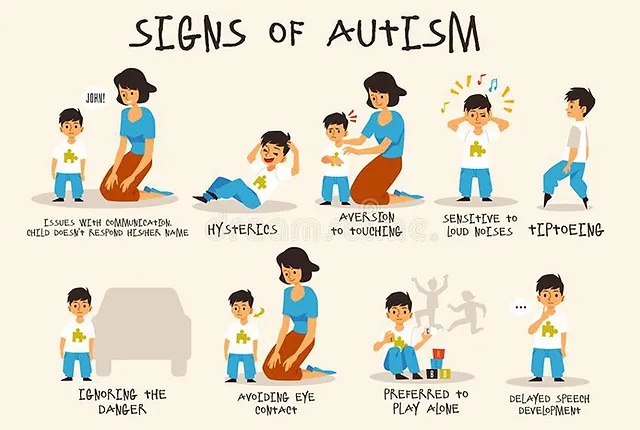
- Sudden environmental changes (new lighting, unfamiliar layout) Unexpected sounds (alarm bells, announcements) Crowded spaces with overlapping conversations Rapid mental switching from one task to another
Recognizing these cues is the first step toward preventing overload.
Why Transitions Trigger Overload
Why do transitions feel so jarring? The answer lies in the brain’s natural need for predictability. When you’re in a routine, your nervous system knows what to expect. A transition throws that pattern into the unknown, and the brain scrambles to process new information.
*“When we’re comfortable, we’re in a zone. A transition is like a sudden gust of wind—disruptive and often unexpected.”* – Dr. Lisa Martinez, Neuropsychologist
This disruption can feel like a roller coaster that you didn’t buy a ticket for. Rhetorically, have you ever wondered why a simple hallway walk feels like a marathon? The answer is simple: the brain’s “fight or flight” mode kicks in, flooding the senses.
Practical Strategies
Preparation
Preparation is your safety harness. By setting up a predictable routine, you give your brain a roadmap.
- Create a visual schedule: A picture board or phone app can outline the steps of a transition. Pack a sensory kit: Noise‑canceling headphones, a favorite scent, or a calming fidget toy can be lifesavers. Pre‑visit the space: If possible, walk through the new environment before the actual transition to reduce surprise.
During the Transition
When the moment arrives, keep your senses anchored.
- Slow your pace: A brisk walk can amplify sensory input. A relaxed stroll gives the brain time to adjust. Use grounding techniques: Focus on one physical sensation—feel the texture of your shoes, listen to your breathing. Limit distractions: Close your phone, dim bright lights, or use a headband to reduce visual overload.
After the Transition
Post‑transition recovery is often overlooked.
- Take a break: Find a quiet corner for a few minutes of solitude. Reflect on the experience: Note what triggered overload and plan adjustments. Re‑establish routine: Return to familiar tasks or environments to restore balance.
Real-World Examples
School to Home
A student leaves the bustling classroom and steps into a quiet hallway. The sudden drop in noise and the absence of familiar peers can trigger a feeling of isolation. Using a small notebook to jot down thoughts can help maintain focus.
Work to Commute
Transitioning from a quiet office to a noisy subway can feel like jumping from a calm lake into a stormy https://canvas.instructure.com/eportfolios/3814215/home/symptoms-and-signs-of-autism-spectrum-condition-autism-spectrum-disorder-asd sea. Wearing noise‑canceling headphones and having a playlist ready can smooth the ride.
Home to Social Event
Leaving the comfort of home for a crowded gathering often feels like stepping onto a stage with a spotlight turned on. Bringing a small, familiar object—like a stress ball—can act as a personal “spotlight” that keeps you grounded.
Long-Term Management
Managing sensory overload isn’t just about quick fixes; it’s about building resilience.
- Mindfulness practice: Regular meditation can enhance the brain’s ability to filter sensory input. Structured routines: Consistency reduces the brain’s need to constantly adapt. Professional support: Occupational therapists can design individualized sensory plans.
Remember, the goal isn’t to eliminate all sensory input—after all, a world of sights and sounds is wonderful. It’s about creating a balance where you can enjoy the richness without feeling drowned.
Turning Transitions into Triumphs
Transitions, when managed well, can become opportunities for growth rather than stress. By preparing ahead, staying present during the shift, and allowing yourself a recovery period afterward, you give your nervous system the tools it needs to thrive.
Take this simple mantra: “Plan, pause, and proceed.” Use it as a quick mental checklist whenever you face a change of pace. And if you find yourself overwhelmed, remember that even the most seasoned commuters get a little disoriented on a new route—just a reminder that everyone’s nervous system has its own rhythm.
With the strategies above, you’ll transform sensory overload from a stumbling block into a stepping stone. So next time you’re about to step into a new environment, take a breath, glance at your plan, and stride confidently—your senses will thank you.